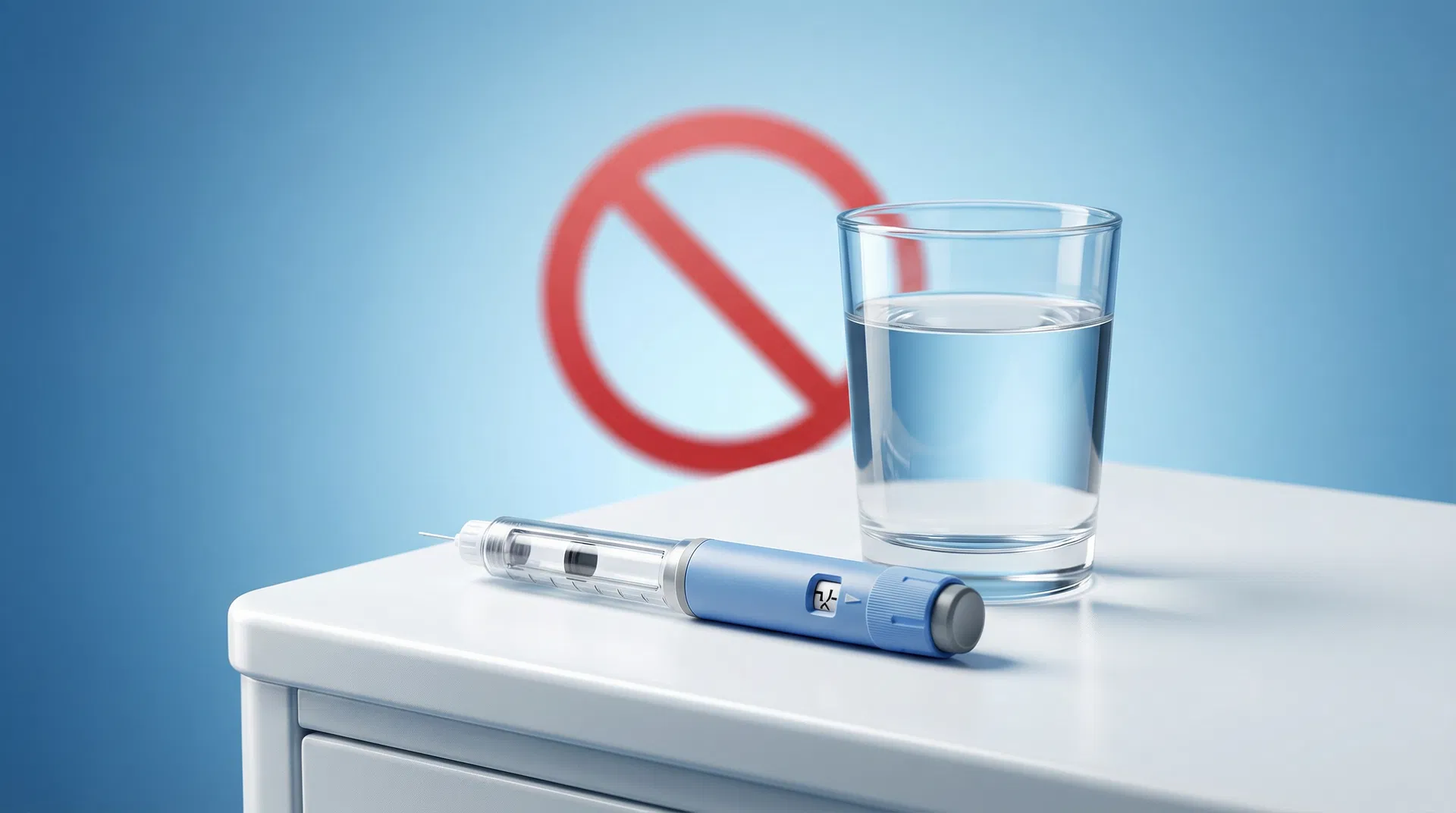
This guide explores the safety, risks, and unexpected side effects of consuming alcohol while taking GLP-1 medications like Ozempic, Wegovy, and Mounjaro.
Key Takeaways
- Hypoglycemia Risk: Combining GLP-1 medications with alcohol can significantly increase the risk of dangerously low blood sugar, especially in patients with Type 2 Diabetes.
- Worsened Side Effects: Alcohol can exacerbate common GLP-1 side effects such as nausea, vomiting, and stomach upset due to shared impacts on the gastrointestinal system.
- Pancreatitis Concern: Both GLP-1 receptor agonists and heavy alcohol consumption are independent risk factors for pancreatitis; using them together may compound this serious risk.
- Reduced Cravings: Many patients report a decreased desire to drink alcohol while on these medications, a phenomenon currently being studied in clinical trials for alcohol use disorder.
- Weight Loss Impact: Alcohol is high in "empty" calories and can stall the weight loss progress that many patients hope to achieve with GLP-1 therapy.
Can You Drink Alcohol on Ozempic?
If you have recently started a GLP-1 receptor agonist like semaglutide (Ozempic, Wegovy) or tirzepatide (Mounjaro, Zepbound), you may be wondering if your evening glass of wine or weekend cocktail is still safe. While there is no known direct chemical interaction between these medications and alcohol, the way they both affect your body can lead to several complications [6]. For most patients, occasional, moderate alcohol consumption—defined as one drink per day for women and two for men—is considered manageable. However, the combination introduces specific risks that require careful monitoring. Because type 2 diabetes and obesity are often the primary reasons for prescribing these drugs, the metabolic impact of alcohol becomes even more significant.
The rise of GLP-1 medications has revolutionized the treatment of metabolic disorders, but it has also brought new questions about lifestyle adjustments. Patients are often told to monitor their diet and exercise, but the advice regarding alcohol can sometimes be vague. Understanding the underlying mechanisms of how these drugs interact with ethanol is crucial for anyone looking to maintain their health while enjoying a social life. This article will delve into the physiological interactions, the risks of hypoglycemia, the impact on the pancreas, and the fascinating new research suggesting that these medications might actually help people drink less.
The Impact on Blood Sugar Levels
One of the most critical concerns when mixing GLP-1s and alcohol is hypoglycemia (low blood sugar). GLP-1 medications work by stimulating the pancreas to release insulin only when blood sugar is high [4]. This "glucose-dependent" mechanism is generally safer than older diabetes medications, as it rarely causes low blood sugar on its own. Alcohol, however, can prevent the liver from releasing stored glucose into the bloodstream. The liver is responsible for maintaining a steady supply of glucose between meals, but when it is busy processing alcohol, this function is deprioritized.
When you combine a medication that lowers blood sugar with a substance that prevents the liver from raising it, your glucose levels can drop dangerously low. This risk is particularly high if you are also taking other diabetes medications like insulin or sulfonylureas. Symptoms of hypoglycemia can include dizziness, confusion, shakiness, and in severe cases, loss of consciousness. For patients with type 2 diabetes, the risk of "delayed hypoglycemia" is also a concern; your blood sugar might seem fine while you are drinking, only to crash several hours later or even the next morning while you sleep.
Gastrointestinal Side Effects and Dehydration
GLP-1 medications are well-known for their gastrointestinal side effects, which occur because they slow down "gastric emptying"—the rate at which food leaves your stomach [4]. This is a primary mechanism for how they make you feel full longer, but it also means that anything you consume stays in your stomach for an extended period. Alcohol is also a known gastric irritant, capable of inflaming the stomach lining and increasing acid production. When these two factors collide, patients often experience a significant worsening of their baseline side effects [6].
Severe nausea is perhaps the most common complaint among patients who drink while on GLP-1s. The feeling of fullness from the medication combined with the acidity and volume of alcohol can lead to intense waves of nausea that may last for days. Furthermore, because alcohol may sit in the stomach longer than usual due to delayed emptying, the likelihood of reflux and vomiting increases. Dehydration is another major factor; both alcohol and GLP-1s can contribute to a fluid deficit. Alcohol is a diuretic that forces the kidneys to expel more water, while GLP-1s can sometimes cause diarrhea or reduced thirst cues, making it harder for the body to maintain its electrolyte balance.
Comparing the Effects: GLP-1s vs. Alcohol
To better understand how these substances interact, it is helpful to look at their primary physiological effects side-by-side. The following table outlines the key differences and the potential combined impact on the human body.
| Physiological Feature | GLP-1 Medication Effect | Alcohol Consumption Effect | Combined Impact |
|---|---|---|---|
| Blood Sugar Regulation | Lowers glucose by increasing insulin | Inhibits glucose production in the liver | Increased risk of hypoglycemia |
| Gastric Emptying | Significantly slows digestion | Irritates the stomach lining | Worsened nausea and reflux |
| Pancreatic Health | Rare risk of inflammation | Major cause of acute pancreatitis | Compounded risk of pancreatitis |
| Appetite & Reward | Reduces hunger and "food noise" | Initially increases reward signals | Reduced desire/craving for alcohol |
| Caloric Intake | Promotes weight loss | High in empty, non-nutritive calories | Potential for stalled weight loss |
| Liver Function | May reduce liver fat (NAFLD) | Increases liver fat and causes scarring | Conflicting effects on liver health |
| Hydration Status | Can reduce thirst perception | Acts as a potent diuretic | High risk of severe dehydration |
The Link to Pancreatitis
Pancreatitis, or inflammation of the pancreas, is a serious medical condition that can be life-threatening if not managed correctly. Clinical trials for medications like semaglutide have noted a small but statistically significant risk of pancreatitis [3]. While the absolute risk remains low for most people, it is a known potential complication of the drug class. Similarly, chronic or heavy alcohol use is one of the leading causes of pancreatic inflammation worldwide. Alcohol metabolites are toxic to the acinar cells of the pancreas, leading to premature activation of digestive enzymes that can begin to "digest" the organ itself.
Medical professionals generally advise that patients with a history of pancreatitis avoid alcohol entirely while on GLP-1 therapy. Even for those without a history, the dual stress on the pancreas suggests that heavy "binge" drinking should be strictly avoided. The pancreas is already working harder to regulate insulin in response to the GLP-1 medication; adding the toxic stress of high-dose alcohol can push the organ past its breaking point. If you experience severe abdominal pain that radiates to your back, persistent vomiting, or a fever, seek medical attention immediately, as these are hallmark signs of acute pancreatitis.
Understanding the Role of the Liver
The liver plays a dual role in this interaction. On one hand, GLP-1 medications are being studied for their ability to treat Non-Alcoholic Fatty Liver Disease (NAFLD) and Non-Alcoholic Steatohepatitis (NASH). They help reduce the accumulation of fat in the liver, which is a major benefit for patients with metabolic syndrome. On the other hand, alcohol is the primary cause of alcoholic fatty liver disease. When a patient drinks while on a GLP-1, they are essentially pulling their liver in two opposite directions.
Furthermore, the liver's ability to metabolize alcohol may be slightly altered by GLP-1 medications. Because the stomach empties more slowly, alcohol enters the small intestine—where most absorption occurs—at a slower, more sustained rate [5]. This could theoretically change the "peak" blood alcohol concentration, but it also means the liver has to process the alcohol over a longer duration. For some patients, this results in a "hangover" that feels significantly worse and lasts longer than it did before they started the medication.
"Ozempic Sobriety": Why You Might Lose Interest in Drinking
An unexpected but frequently reported side effect of GLP-1 medications is a sudden lack of interest in alcohol. This phenomenon, sometimes called "Ozempic sobriety," has moved from anecdotal reports on social media to the focus of serious scientific study. Many patients find that they no longer enjoy the taste of alcohol, or more importantly, they no longer feel the "buzz" or reward that they used to get from a drink [2].
Changes in the Brain's Reward System
GLP-1 receptors are not just in the gut; they are also found in areas of the brain responsible for reward and addiction, such as the ventral tegmental area (VTA) and the nucleus accumbens. These areas are part of the mesolimbic dopamine system, which reinforces pleasurable behaviors like eating and drinking. By acting on these receptors, medications like tirzepatide may dampen the "dopamine hit" usually associated with drinking alcohol [2]. If the brain no longer receives a reward for the behavior, the craving for that behavior eventually diminishes.
This has profound implications for the treatment of addiction. For many patients, the "food noise"—the constant, intrusive thoughts about what to eat next—is what these drugs are famous for silencing. However, many are finding that the "alcohol noise" is silenced as well. They may go to a party and realize they haven't even thought about ordering a drink, or they may find that a single glass of wine is more than enough, whereas they previously might have finished the bottle.
Clinical Research on Alcohol Use Disorder (AUD)
Recent clinical trials, including a major study published in JAMA Psychiatry in early 2025, have investigated whether semaglutide could be a viable treatment for Alcohol Use Disorder [1]. Preliminary results suggest that patients on these medications not only drink less frequently but also consume fewer drinks when they do choose to imbibe. The study followed participants over several months and found a significant reduction in "heavy drinking days" compared to a placebo group.
While the FDA has not yet approved GLP-1s for the treatment of AUD, many physicians are already noting these benefits in their patients. For someone struggling with both Obesity and high alcohol consumption, the dual benefit of these medications can be life-changing. By reducing the caloric intake from alcohol and the desire for high-calorie "drunk foods,["](/drugs/sertraline) the weight loss results can be even more dramatic.
Practical Tips for Patients
If you choose to drink while taking a GLP-1 medication, following these safety guidelines can help minimize risks and ensure you don't derail your health goals. It is always better to be proactive than to deal with the fallout of a severe interaction.
1. Eat Before You Drink
Never drink on an empty stomach. Since your digestion is slower, having a balanced meal with protein and fiber can help stabilize blood sugar levels and slow the absorption of alcohol even further. Protein, in particular, helps trigger the body's natural satiety signals, which can work in tandem with your medication to prevent over-consumption.
2. Monitor Your Glucose
If you have diabetes, check your blood sugar more frequently when consuming alcohol. It is especially important to check your levels before bed and the next morning. Alcohol can cause your blood sugar to drop many hours after your last drink, and the symptoms of a "hangover" can often mask the symptoms of hypoglycemia. If you use a Continuous Glucose Monitor (CGM), pay close attention to the trends and set your alerts to a conservative level.
3. Stay Hydrated
Drink one glass of water for every alcoholic beverage to combat the dehydrating effects of both the medication and the alcohol. Proper hydration can also help your liver and kidneys process the alcohol more efficiently and may reduce the severity of any gastrointestinal side effects the next day. Consider adding an electrolyte supplement if you find yourself feeling particularly drained.
4. Start Slow and Be Mindful
If you are new to the medication or have recently increased your dose, wait until your body has adjusted before trying alcohol. When you do decide to have a drink, start with a very small amount—perhaps half a serving—to see how your body reacts. You may find that your tolerance has decreased significantly or that you simply don't enjoy the experience as much as you used to.
5. Choose Low-Sugar Options
Avoid sugary mixers, dessert wines, and heavy craft beers that can lead to blood sugar spikes followed by crashes. These "liquid calories" can also stall your weight loss progress. Opt for seltzer, neat spirits in moderation, or dry wines. Remember that the goal of taking a GLP-1 is often to improve metabolic health, and minimizing sugar intake is a key part of that journey.
6. Listen to Your Body
If you start to feel nauseous or dizzy after just a few sips, stop drinking immediately. Your body's feedback loops are enhanced by GLP-1 medications, and those signals are there for a reason. Pushing through the discomfort to finish a drink is more likely to lead to a long night of vomiting or a multi-day "medication hangover."
Bottom Line
While you don't necessarily have to become a teetotaler on Ozempic or Wegovy, caution is the best approach. The combination of GLP-1 medications and alcohol increases the risk of low blood sugar, worsens gastrointestinal distress, and may put additional strain on your pancreas. However, the most interesting outcome for many is the natural reduction in the desire to drink, which can be a powerful tool for improving overall health. If you are using these medications to manage a chronic condition like type 2 diabetes or obesity, alcohol is an extra variable that requires careful management. Always discuss your alcohol consumption habits honestly with your healthcare provider to find a balance that allows you to enjoy your life while maximizing the incredible benefits that GLP-1 therapy can provide.
Sources
- JAMA Psychiatry. Once-weekly semaglutide in adults with alcohol use disorder: A randomized clinical trial. https://jamanetwork.com/journals/jamapsychiatry/article-abstract/2829811 (Published Feb 12, 2025).
- Scientific Reports. Semaglutide and Tirzepatide reduce alcohol consumption in individuals with obesity. https://www.nature.com/articles/s41598-023-48267-2 (Published Nov 28, 2023).
- Cleveland Clinic. GLP-1 Agonists and the Risk of Pancreatitis: Clinical Perspectives. https://consultqd.clevelandclinic.org/glp1-agonists-and-pancreatitis (Updated Dec 2025).
- U.S. Food and Drug Administration (FDA). Ozempic (semaglutide) Injection: Prescribing Information and Medication Guide. https://www.accessdata.fda.gov/drugsatfda_docs/label/2023/209637s020lbl.pdf (Revised 2023).
- Yale Medicine. How GLP-1 Receptor Agonists Influence Liver Health and Alcohol Metabolism. https://medicine.yale.edu/news-article/glp-1-receptor-agonists-protect-the-liver-during-alcohol-consumption/ (Published Sep 18, 2025).
- GoodRx Health. Is It Safe to Drink Alcohol When Taking Ozempic? https://www.goodrx.com/ozempic/ozempic-and-alcohol (Updated 2025).
Save up to 80% on this medication
Use a free RxGo discount card at 67,000+ pharmacies — no sign-up, no insurance needed.
About the Author
Dr. Rafael Morales, PharmD, BCACP, CDE
Clinical Pharmacist — Diabetes & Metabolic Disease
Dr. Rafael Morales is a board-certified ambulatory care pharmacist and certified diabetes educator at Mayo Clinic with over 15 years of experience managing patients with type 2 diabetes, obesity, and metabolic syndrome. He completed his PharmD at the University of Texas at Austin and his residency at UT Southwestern Medical Center. Dr. Morales has been involved in clinical trials evaluating GLP-1 receptor agonists and dual GIP/GLP-1 agonists, and he serves on the American Diabetes Association's clinical practice committee. His reviews focus on ensuring pharmacological accuracy, appropriate patient selection criteria, and evidence-based dosing guidance.
View full profile on our Editorial Team page →Zova Health
Protect the Architecture · GLP-1 Protocol
Don't just lose weight. Preserve your health.
GLP-1 medications can cause up to 39% muscle loss alongside fat. Zova's evidence-based protocol — validated by Lancet Diabetes & Endocrinology 2024 — combines AI-powered leucine tracking, injection-day adaptive nutrition, and progressive resistance training to reduce that to just 8.7%.
No credit card. No commitment. Early access only.
Clinical validation:
Structured protein protocols preserved 78% more lean mass vs. standard GLP-1 use alone. — Lancet Diabetes & Endocrinology, 2024
Get the RxGo app — free prescription discounts on the go
Works at 67,000+ pharmacies · No membership needed