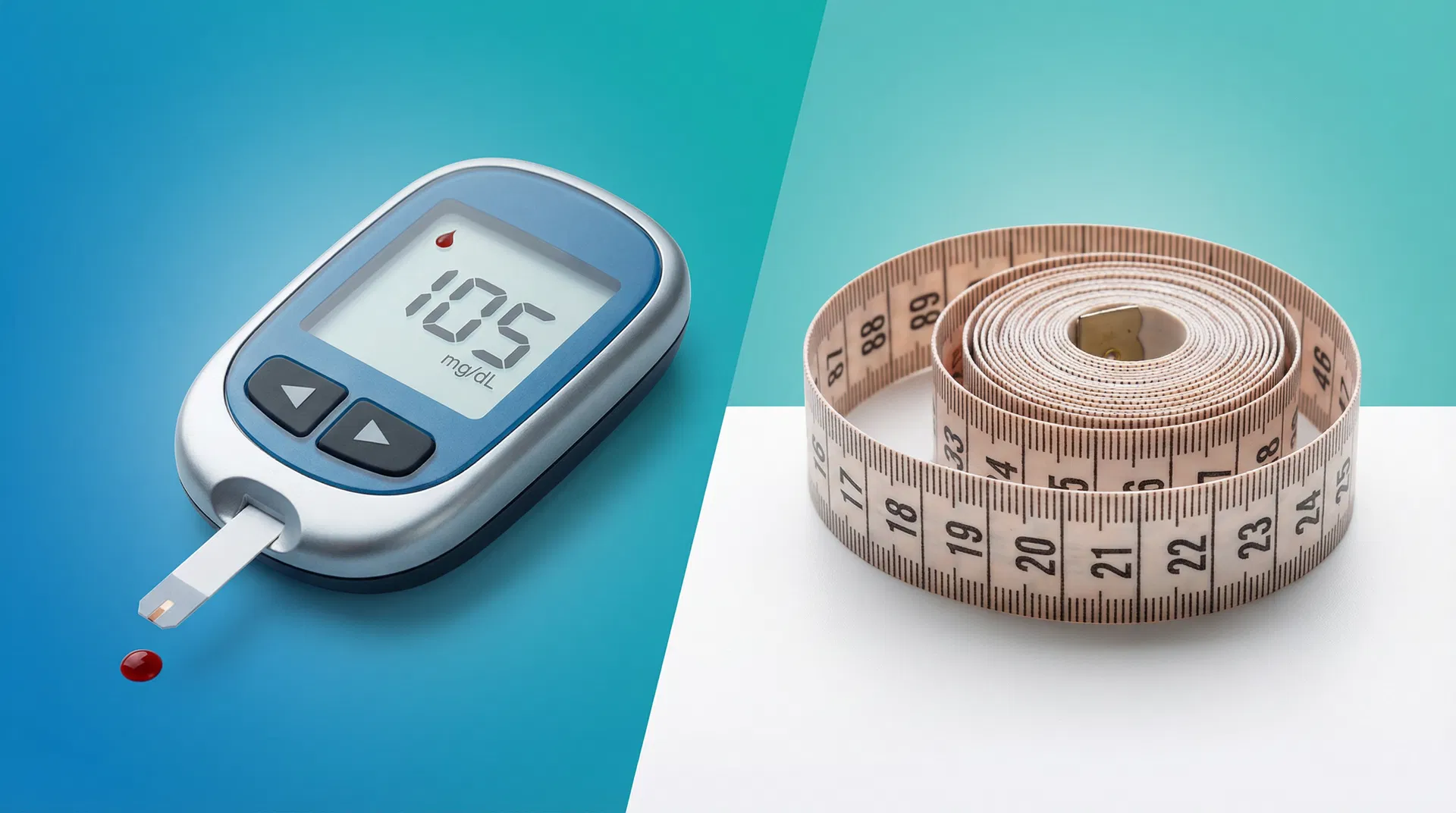
This article explores the critical differences between GLP-1 medications used for Type 2 Diabetes and those prescribed for chronic weight management, helping patients understand their options and indications.
Key Takeaways
- Glucagon-like peptide-1 (GLP-1) receptor agonists are a class of medications that mimic a natural hormone to regulate blood sugar and appetite.
- While the underlying active ingredients like semaglutide are often the same, the FDA has approved different brand names and dosages for type 2 diabetes versus weight loss.
- Medications like Ozempic and Mounjaro are specifically indicated for blood sugar control in type 2 diabetes, whereas Wegovy and Zepbound are approved for chronic weight management.
- Eligibility for weight loss versions typically requires a BMI of 30 or higher, or 27 or higher with a weight-related health condition like high blood pressure.
- Insurance coverage and out-of-pocket costs vary significantly between diabetes and weight loss indications, often making the distinction crucial for patient access.
Understanding GLP-1 Receptor Agonists
GLP-1 receptor agonists have revolutionized the treatment of metabolic disorders. These medications work by mimicking the GLP-1 hormone naturally produced in the intestines. When you eat, GLP-1 signals the pancreas to release insulin, which lowers blood sugar. Simultaneously, it slows down "gastric emptying"—the rate at which food leaves the stomach—and sends signals to the brain that increase feelings of fullness and satiety.
The biological mechanism behind these drugs is quite elegant. In a healthy body, the GLP-1 hormone is released in response to food intake, signaling the pancreas to produce more insulin when blood sugar levels are high. However, natural GLP-1 is broken down very quickly by an enzyme called DPP-4. Pharmaceutical GLP-1 receptor agonists are engineered to resist this enzyme, allowing them to remain active in the body for much longer—often up to a full week with once-weekly injections.
Initially developed to manage blood glucose levels in patients with type 2 diabetes, researchers quickly noticed a significant side effect: substantial weight loss. This discovery led to clinical trials specifically targeting obesity, resulting in higher-dose versions of the same active ingredients being approved specifically for weight management. This evolution from a diabetes treatment to a cornerstone of obesity medicine represents one of the most significant shifts in pharmacological history in recent decades.
How GLP-1s Work in the Brain
GLP-1 receptors are found in the hypothalamus, the brain's hunger center. By binding here, medications like semaglutide and tirzepatide reduce "food noise"—intrusive thoughts about eating. This neurological effect is key to their success in chronic weight management, addressing appetite at its biological source.
Cardiovascular and Metabolic Benefits
Large-scale clinical trials have demonstrated that these medications significantly reduce the risk of major adverse cardiovascular events, including heart attack and stroke. For patients with type 2 diabetes, this is critical, as heart disease remains a leading health risk. Emerging research also suggests these drugs may protect kidney function and reduce systemic inflammation.
The Dual Identity of Semaglutide and Tirzepatide
The most common point of confusion for patients is that the same chemical compound can have two different brand names depending on what it is treating. For instance, semaglutide is the active ingredient in both Ozempic and Wegovy. Similarly, tirzepatide is the active ingredient in both Mounjaro and Zepbound.
This dual branding strategy is not just a marketing tactic; it is a regulatory requirement. The FDA approves medications for specific "indications.["](/drugs/sertraline) When a drug manufacturer wants to market an existing medication for a completely different health condition, they often must conduct separate clinical trials and submit a new drug application. This process often results in different brand names, different packaging, and sometimes different dosage strengths, even though the chemical molecule remains identical.
Semaglutide: From Ozempic to Wegovy
Semaglutide has become the most famous of these molecules. When used for diabetes under the name Ozempic, it is primarily focused on lowering blood sugar and reducing cardiovascular risk. However, the dose required for significant weight loss in non-diabetic patients was found to be slightly higher. This led to the development of Wegovy, which offers a 2.4 mg dose, compared to Ozempic's 2.0 mg maximum.
Tirzepatide: The Dual-Action Agonist
Tirzepatide, found in Mounjaro and Zepbound, takes a slightly different approach. It is a "twincretin," meaning it mimics both GLP-1 and GIP (glucose-dependent insulinotropic polypeptide). This dual action is believed to be even more potent for weight loss than GLP-1 alone. While Mounjaro and Zepbound share the same dosage strengths, they are marketed separately to ensure that the supply for diabetes patients is not entirely consumed by the high demand for weight loss treatments.
Liraglutide: The Daily Option
While the newer weekly injections get most of the attention, liraglutide remains an important option. Under the brand Victoza, it has been used for over a decade to treat type 2 diabetes. Its weight-loss counterpart, Saxenda, was the first GLP-1 to be approved for obesity. Unlike the weekly options, liraglutide is injected daily, which some patients prefer for its shorter half-life, allowing for quicker adjustment if side effects become problematic.
Ozempic vs. Wegovy: What is the Difference?
Ozempic was FDA-approved in 2017 to improve glycemic control in adults with type 2 diabetes. It is also approved to reduce the risk of major cardiovascular events like heart attack or stroke in patients with both type 2 diabetes and established heart disease. The maximum maintenance dose for Ozempic is 2.0 mg once weekly.
Wegovy, containing the same semaglutide, received approval in 2021 specifically for chronic weight management. It is indicated for adults with obesity (BMI ≥30) or those who are overweight (BMI ≥27) with at least one weight-related condition. Crucially, Wegovy is titrated up to a higher maximum dose of 2.4 mg once weekly, which was shown in clinical trials to produce more significant weight loss than the lower doses typically used for diabetes.
Mounjaro vs. Zepbound: The Newest Contenders
Tirzepatide represents a newer generation of therapy known as a dual agonist, targeting both GLP-1 and GIP (glucose-dependent insulinotropic polypeptide) receptors. Mounjaro is the brand name for the type 2 diabetes indication, while Zepbound is the brand name for weight loss. Unlike semaglutide, the dosage strengths for Mounjaro and Zepbound are identical (ranging from 2.5 mg to 15 mg), but the FDA-approved indications remain distinct.
Comparing Indications and Dosages
The following table summarizes the key differences between the most popular GLP-1 medications currently available on the market.
| Active Ingredient | Brand (Diabetes) | Brand (Weight Loss) | Max Weekly Dose | Primary FDA Indication |
|---|---|---|---|---|
| Semaglutide | Ozempic | Wegovy | 2.0mg (Oz) / 2.4mg (Weg) | Blood sugar vs. Weight loss |
| Tirzepatide | Mounjaro | Zepbound | 15mg | Blood sugar vs. Weight loss |
| Liraglutide | Victoza | Saxenda | 1.8mg (Vic) / 3.0mg (Sax) | Blood sugar vs. Weight loss |
Why the Distinction Matters for Patients
You might wonder why it matters which brand you take if the active ingredient is the same. There are three primary reasons: clinical focus, regulatory compliance, and financial access.
Clinical Focus and Monitoring
When a patient takes a GLP-1 for type 2 diabetes, the primary metric of success is the Hemoglobin A1C level, which measures average blood sugar over three months. For weight loss patients, the focus is on the percentage of total body weight lost and the improvement of metabolic markers like waist circumference and blood pressure. While weight loss often helps diabetes management, the monitoring protocols and secondary health goals differ between the two patient populations.
Insurance Coverage and Prior Authorization
This is perhaps the most significant hurdle for patients. Most insurance plans provide robust coverage for type 2 diabetes medications like Ozempic or Mounjaro. However, many of these same plans specifically exclude "weight loss drugs" from their formularies. Even if a patient meets the clinical criteria for Wegovy or Zepbound, their insurance may deny coverage, whereas they might have approved the same medication if the patient had a diagnosis of type 2 diabetes.
Pharmacy Availability and Shortages
The surge in popularity of Ozempic for weight loss vs diabetes has led to widespread shortages. In many cases, patients with type 2 diabetes have struggled to fill their prescriptions because the medication was being used "off-label" for weight loss. By creating distinct brands like Wegovy and Zepbound, manufacturers and regulators aim to better manage supply chains and ensure that patients with different medical needs can access the appropriate therapy.
Eligibility Criteria for Each Path
The criteria for starting these medications are strictly defined by the FDA and professional organizations like the American Diabetes Association (ADA).
Criteria for Type 2 Diabetes Treatment
To be prescribed Ozempic, Mounjaro, or Victoza, a patient must typically have a confirmed diagnosis of type 2 diabetes. This is usually defined as having an A1C level of 6.5% or higher. These medications are often used as a second-line therapy after metformin or in patients who have established cardiovascular disease.
Criteria for Chronic Weight Management
To qualify for Wegovy, Zepbound, or Saxenda, a patient must meet specific Body Mass Index (BMI) thresholds:
- A BMI of 30 kg/m² or greater (Obesity).
- A BMI of 27 kg/m² or greater (Overweight) plus at least one weight-related comorbid condition, such as:
- Hypertension (High Blood Pressure)
- Dyslipidemia (high cholesterol)
- Obstructive sleep apnea
- Cardiovascular disease
It is important to note that these BMI thresholds are guidelines. Healthcare providers also consider a patient's overall health history, previous weight loss attempts, and metabolic profile. For instance, a patient with a BMI of 28 who also has severe joint pain and pre-diabetes may be a better candidate for medication than a patient with a BMI of 31 who has no other health issues. The goal is always to use the medication where the clinical benefit—such as preventing a future heart attack or reversing pre-diabetes—outweighs the potential side effects.
The Role of Off-Label Prescribing
In clinical practice, doctors sometimes prescribe medications "off-label." This means prescribing a drug for a use not explicitly approved by the FDA. For example, a doctor might prescribe Ozempic for a patient who is overweight but does not have diabetes. While this is legal and common in medicine, it can create significant challenges with insurance coverage, as most plans will only pay for a medication when it is used for its FDA-approved indication. This is a primary driver of the confusion between Ozempic for weight loss vs diabetes.
Side Effects and Safety Considerations
Regardless of the brand name or the reason for taking the medication, GLP-1 receptor agonists share a similar side effect profile. Most side effects are gastrointestinal and occur during the "dose escalation" phase as the body adjusts to the hormone.
Common side effects include:
- Nausea and vomiting
- Diarrhea or constipation
- Abdominal pain and bloating
- Heartburn or acid reflux
More serious but rare risks include pancreatitis (inflammation of the pancreas), gallbladder problems, and potential kidney issues due to dehydration from vomiting or diarrhea. There is also a "boxed warning" regarding a theoretical risk of thyroid C-cell tumors, based on animal studies, which is why these drugs are contraindicated in patients with a personal or family history of Medullary Thyroid Carcinoma (MTC) or Multiple Endocrine Neoplasia syndrome type 2 (MEN 2).
Transitioning Between Medications
Can a patient switch from Ozempic to Wegovy? Yes, but it must be done under strict medical supervision. Because Wegovy reaches a higher dose (2.4 mg) than Ozempic (2.0 mg), a doctor will need to adjust the titration schedule. Similarly, switching from Mounjaro to Zepbound is common if a patient's insurance coverage changes or if their primary health goal shifts from blood sugar control to weight management.
When to Consider a Switch
Patients might consider switching medications for several reasons:
- Plateauing Results: If a patient stops losing weight on a maximum dose of semaglutide, their doctor might suggest switching to tirzepatide for its dual-agonist effect.
- Side Effect Management: Some patients find they tolerate one medication better than another, even within the same class.
- Insurance Changes: If an insurance formulary changes, a patient may be forced to switch brands to maintain coverage.
- Supply Availability: During periods of drug shortages, a doctor may transition a patient to a different GLP-1 that is more readily available in local pharmacies.
The "Washout" Period and Titration
Doctors typically don't require a "washout" period when switching between GLP-1s. Instead, they start the new medication at a comparable or slightly lower dose to ensure gastrointestinal tolerance. For example, a patient on max-dose Ozempic might transition to a mid-range dose of Wegovy.
Cost and Access Challenges
The high cost of GLP-1s is a significant barrier. While manufacturer savings cards can reduce out-of-pocket costs for those with commercial insurance, patients on Medicare or Medicaid often face higher hurdles. Additionally, drug shortages have led some to seek "compounded" versions. Patients should exercise caution with compounded drugs, ensuring they come from reputable, licensed pharmacies to avoid unverified or unsafe formulations.
The Future of Metabolic Medicine
The success of GLP-1 receptor agonists is driving innovation toward "triple agonists" and easier-to-take oral versions. We are moving toward a future where metabolic health is managed with the same precision as other chronic conditions. For patients with type 2 diabetes or obesity, these medications offer a path toward reduced health risks and improved quality of life. Whether for diabetes or weight loss, the goal is a healthier life through evidence-based care.
The Importance of Lifestyle Modification
It is a common misconception that GLP-1 medications are "magic shots" that work in isolation. The FDA approvals for all of these drugs—whether for diabetes or weight loss—specify that they should be used as an "adjunct to a reduced-calorie diet and increased physical activity." Trials showed the best results when medication was combined with healthy eating and exercise.
Bottom Line
While the "Ozempic" name has become a catch-all term in popular culture, there are vital differences between medications used for type 2 diabetes and those used for weight loss. Ozempic and Mounjaro are designed to manage blood sugar, while Wegovy and Zepbound are formulated and dosed for maximum weight reduction. Knowing these differences is the first step in discussing the right path for your metabolic health with your doctor.
Sources
- U.S. Food and Drug Administration. "FDA Approves New Drug Treatment for Chronic Weight Management, First Since 2014." https://www.fda.gov/news-events/press-announcements/fda-approves-new-drug-treatment-chronic-weight-management-first-2014
- American Diabetes Association. "Standards of Care in Diabetes—2024." https://diabetesjournals.org/care/issue/47/Supplement_1
- Wilding JPH, et al. "Once-Weekly Semaglutide in Adults with Overweight or Obesity." New England Journal of Medicine, 2021. https://www.nejm.org/doi/full/10.1056/NEJMoa2032183
- Jastreboff AM, et al. "Tirzepatide Once Weekly for the Treatment of Obesity." New England Journal of Medicine, 2022. https://www.nejm.org/doi/full/10.1056/NEJMoa2206038
- National Institute of Diabetes and Digestive and Kidney Diseases (NIDDK). "Prescription Medications to Treat Overweight & Obesity." https://www.niddk.nih.gov/health-information/weight-management/prescription-medications-treat-overweight-obesity
- PubMed Central. "GLP-1 Receptor Agonists: A Review of Head-to-Head Clinical Trials." https://pmc.ncbi.nlm.nih.gov/articles/PMC8294388/
Save up to 80% on this medication
Use a free RxGo discount card at 67,000+ pharmacies — no sign-up, no insurance needed.
About the Author
Dr. Rafael Morales, PharmD, BCACP, CDE
Clinical Pharmacist — Diabetes & Metabolic Disease
Dr. Rafael Morales is a board-certified ambulatory care pharmacist and certified diabetes educator at Mayo Clinic with over 15 years of experience managing patients with type 2 diabetes, obesity, and metabolic syndrome. He completed his PharmD at the University of Texas at Austin and his residency at UT Southwestern Medical Center. Dr. Morales has been involved in clinical trials evaluating GLP-1 receptor agonists and dual GIP/GLP-1 agonists, and he serves on the American Diabetes Association's clinical practice committee. His reviews focus on ensuring pharmacological accuracy, appropriate patient selection criteria, and evidence-based dosing guidance.
View full profile on our Editorial Team page →Zova Health
Protect the Architecture · GLP-1 Protocol
Don't just lose weight. Preserve your health.
GLP-1 medications can cause up to 39% muscle loss alongside fat. Zova's evidence-based protocol — validated by Lancet Diabetes & Endocrinology 2024 — combines AI-powered leucine tracking, injection-day adaptive nutrition, and progressive resistance training to reduce that to just 8.7%.
No credit card. No commitment. Early access only.
Clinical validation:
Structured protein protocols preserved 78% more lean mass vs. standard GLP-1 use alone. — Lancet Diabetes & Endocrinology, 2024
Get the RxGo app — free prescription discounts on the go
Works at 67,000+ pharmacies · No membership needed