Overview
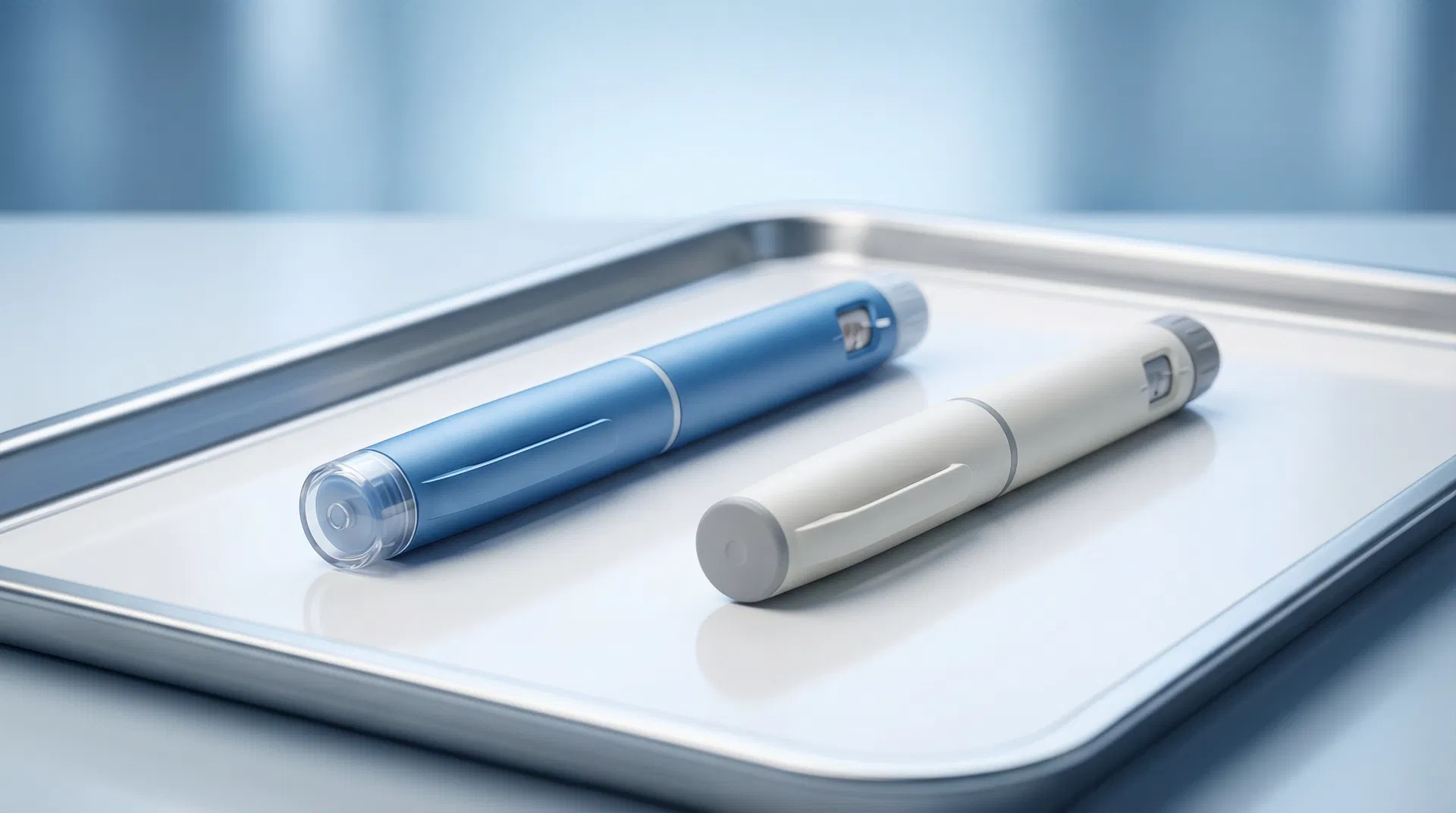
GLP-1 receptor agonists — including semaglutide (Ozempic, Wegovy), tirzepatide (Mounjaro, Zepbound), and liraglutide (Victoza, Saxenda) — are highly effective medications, but they come with a predictable set of side effects that most patients experience to some degree.
Understanding what to expect, and how to manage these effects, significantly improves the experience of starting these medications.
The Most Common Side Effects
Nausea
Nausea is the most frequently reported side effect, affecting 30–50% of patients. It is most common in the first 4–8 weeks of treatment and when the dose is increased.
What helps:
- Eat smaller, more frequent meals
- Avoid high-fat, greasy, or spicy foods
- Eat slowly and stop before you feel full
- Avoid lying down immediately after eating
- Ginger tea or ginger chews can reduce nausea for some patients
Vomiting
Vomiting occurs in approximately 10–25% of patients and is usually linked to nausea. It tends to improve as the body adjusts.
What helps:
- Stay hydrated with small, frequent sips of water or electrolyte drinks
- Avoid solid food until vomiting subsides
- Contact your prescriber if vomiting is severe or lasts more than 24 hours
Diarrhea
Loose stools or diarrhea affect roughly 10–20% of patients. This is usually mild and temporary.
What helps:
- Avoid high-fiber foods temporarily
- Stay hydrated
- Over-the-counter loperamide (Imodium) can provide short-term relief — ask your pharmacist
Constipation
Paradoxically, constipation is also common, particularly with semaglutide. GLP-1 medications slow gastric motility, which can reduce bowel movement frequency.
What helps:
- Increase water intake
- Add soluble fiber (oats, psyllium) gradually
- Light physical activity (walking) stimulates bowel motility
Less Common but Important Side Effects
Pancreatitis
Acute pancreatitis has been reported with GLP-1 medications, though the causal relationship is debated. Symptoms include severe, persistent abdominal pain that may radiate to the back.
What to do: Stop the medication and seek immediate medical attention if you experience severe abdominal pain.
Gallbladder Disease
Rapid weight loss (from any cause, including GLP-1 medications) increases the risk of gallstones. Symptoms include right upper abdominal pain, nausea, and fever.
Injection Site Reactions
For injectable GLP-1 medications, mild redness, bruising, or itching at the injection site is common. Rotating injection sites helps minimize this.
Serious Side Effects to Watch For
The following require immediate medical attention:
| Symptom | Possible Cause |
|---|---|
| Severe abdominal pain | Pancreatitis |
| Yellowing of skin or eyes | Gallbladder/liver issue |
| Rapid heartbeat, neck lump | Thyroid concern |
| Severe allergic reaction (rash, swelling, difficulty breathing) | Hypersensitivity |
| Signs of very low blood sugar (if taking with insulin or sulfonylurea) | Hypoglycemia |
Managing the Dose Escalation Period
Most GLP-1 medications use a gradual dose escalation schedule (starting low and increasing every 4 weeks) specifically to minimize side effects. The most important advice:
- Do not skip the escalation schedule — jumping to a higher dose too quickly dramatically increases side effect severity
- Eat before injecting — taking the injection on an empty stomach can worsen nausea
- Inject at the same time each week — consistency helps the body adapt
When to Call Your Doctor
Contact your prescriber if:
- Nausea or vomiting prevents you from eating or drinking for more than 24 hours
- You lose more than 2 lbs per week consistently (may indicate too-rapid weight loss)
- You experience any symptoms of pancreatitis or gallbladder disease
- Side effects do not improve after 8 weeks at the current dose
The Bottom Line
Most GLP-1 side effects are manageable and improve significantly within the first 1–2 months. The patients who have the best experience are those who follow the dose escalation schedule carefully, modify their diet during the adjustment period, and communicate openly with their prescriber about what they are experiencing.
This article is for informational purposes only. Always consult a licensed healthcare provider before starting or stopping any medication.
Save up to 80% on this medication
Use a free RxGo discount card at 67,000+ pharmacies — no sign-up, no insurance needed.
About the Author
Dr. Rafael Morales, PharmD, BCACP, CDE
Clinical Pharmacist — Diabetes & Metabolic Disease
Dr. Rafael Morales is a board-certified ambulatory care pharmacist and certified diabetes educator at Mayo Clinic with over 15 years of experience managing patients with type 2 diabetes, obesity, and metabolic syndrome. He completed his PharmD at the University of Texas at Austin and his residency at UT Southwestern Medical Center. Dr. Morales has been involved in clinical trials evaluating GLP-1 receptor agonists and dual GIP/GLP-1 agonists, and he serves on the American Diabetes Association's clinical practice committee. His reviews focus on ensuring pharmacological accuracy, appropriate patient selection criteria, and evidence-based dosing guidance.
View full profile on our Editorial Team page →Zova Health
Protect the Architecture · GLP-1 Protocol
Don't just lose weight. Preserve your health.
GLP-1 medications can cause up to 39% muscle loss alongside fat. Zova's evidence-based protocol — validated by Lancet Diabetes & Endocrinology 2024 — combines AI-powered leucine tracking, injection-day adaptive nutrition, and progressive resistance training to reduce that to just 8.7%.
No credit card. No commitment. Early access only.
Clinical validation:
Structured protein protocols preserved 78% more lean mass vs. standard GLP-1 use alone. — Lancet Diabetes & Endocrinology, 2024
Get the RxGo app — free prescription discounts on the go
Works at 67,000+ pharmacies · No membership needed